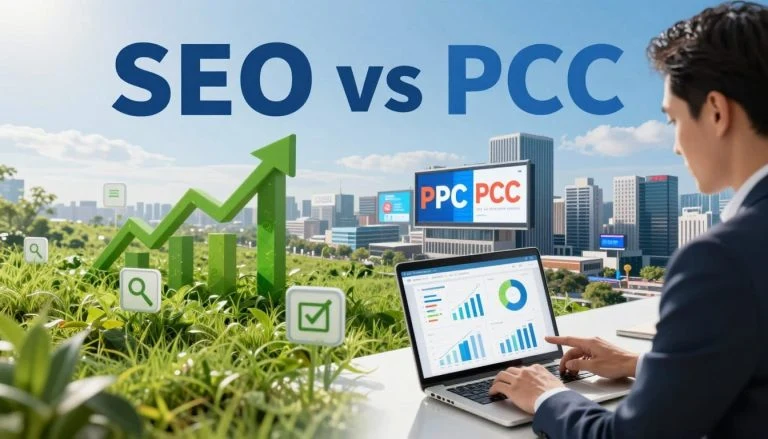
SEO в епоху SGE та AI Overviews: Як бізнесу не втратити трафік та адаптуватися до реалій 2026 року

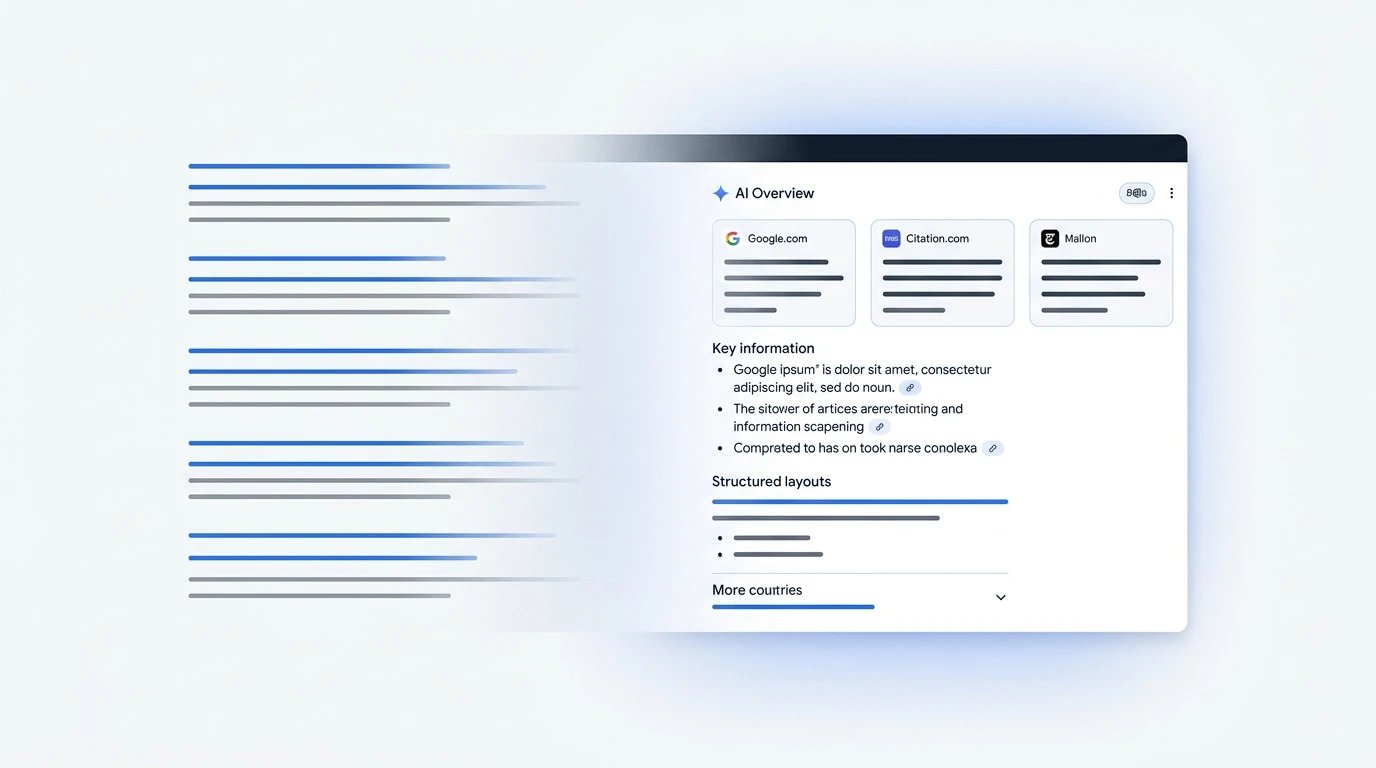
Google кардинально змінив правила гри. Штучний інтелект тепер самостійно відповідає на запити користувачів прямо в пошуковій видачі, залишаючи класичні сайти без кліків. Старе SEO вмерло. Дізнайтеся, що таке AI Overviews, чому алгоритми більше не цінують переписані тексти, і як перетворити свій сайт на джерело, яке цитуватимуть нейромережі.
Біль бізнесу: Чому старі SEO-стратегії більше не генерують ліди
Уявіть ситуацію: ви щомісяця інвестуєте тисячі доларів у SEO-просування. Ваш підрядник сумлінно закуповує посилання, пише десятки SEO-статей за ключовими словами і звітує про зростання позицій. Ви відкриваєте звіт — ваш сайт дійсно на першому місці за запитом “як вибрати промисловий генератор”. Але ви відкриваєте Google Analytics і бачите, що трафік падає, а заявок немає.
Чому це відбувається? Тому що на першому місці більше не ваш сайт. На першому місці тепер — штучний інтелект Google.
Користувач вводить запит, і замість списку з 10 синіх посилань він бачить розгорнуту, згенеровану ШІ відповідь (AI Overview), яка миттєво вирішує його проблему. Користувачу більше не потрібно клікати на ваш сайт і читати лонгрід на 5000 символів. Цей феномен отримав назву Zero-Click Search (пошук без кліків), і у 2026 році він охопив понад 65% усіх інформаційних запитів.
Класичне SEO, побудоване на маніпуляціях з ключовими словами та масовій закупівлі дешевих беклінків, остаточно втратило свою ефективність (Return on Investment). Сьогодні бізнесу потрібна нова стратегія виживання.
Що таке SGE та AI Overviews: Анатомія нової видачі Google
SGE (Search Generative Experience) — це експериментальна назва технології, яка у 2024-2025 роках трансформувалася в офіційний функціонал AI Overviews. Це алгоритм, що базується на великих мовних моделях (LLM, таких як Gemini), який аналізує сотні джерел у реальному часі та генерує єдину комплексну відповідь (Snapshot) над традиційними результатами пошуку.
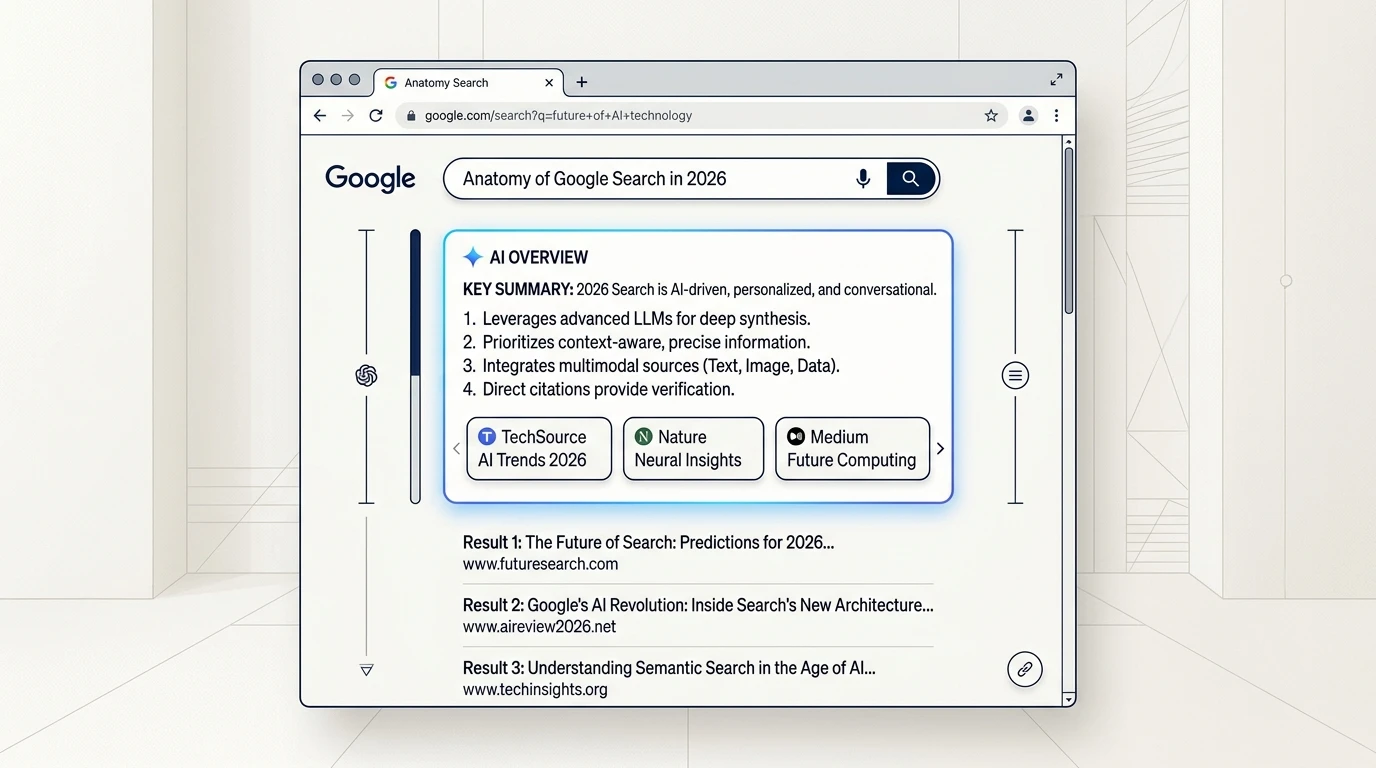
Як виглядає нова воронка пошуку для користувача:
- Користувач вводить складний запит (наприклад: “Порівняння податків для IT-компаній в Польщі та Румунії у 2026”).
- AI Overview генерує вичерпну таблицю і текст з аналітикою прямо в пошуку.
- Праворуч або під текстом ШІ виводить картки-цитати (Citation Cards) на сайти, з яких він взяв інформацію.
- Якщо користувач хоче заглибитися, він клікає на ці картки.
Головний інсайт 2026 року: Ваша мета більше не полягає в тому, щоб просто зайняти ТОП-1 у класичній видачі. Ваша мета — зробити так, щоб штучний інтелект використав саме ваш контент як першоджерело для своєї відповіді та поставив посилання на ваш сайт у блоці цитування.
Еволюція: Від класичного SEO до GEO (Generative Engine Optimization)
Оптимізація під генеративні системи (GEO) — це новий стандарт індустрії. Штучний інтелект не читає сайти так, як це робили старі пошукові роботи. Він не рахує щільність ключових слів (Keyword Density). Він шукає сутності (Entities), факти, контекст та унікальну цінність.
Щоб адаптувати свій корпоративний сайт до епохи AI Overviews, необхідно впровадити 4 фундаментальні зміни у вашу маркетингову стратегію.
1. Information Gain (Інформаційна цінність) — Смерть рерайту
До 2024 року більшість контенту в інтернеті створювалася за принципом “Skyscraper” (Хмарочос): копірайтер брав 5 кращих статей з ТОП-видачі, переписував їх іншими словами і додавав один абзац. Сьогодні Google LLM здатен зробити це за мілісекунду.
Якщо ваша стаття не містить нічого нового, ШІ її проігнорує. Щоб потрапити в AI Overviews, ваш контент повинен мати високий Information Gain (Інформаційний приріст). Це означає, що ви маєте дати дані, яких більше немає ніде в інтернеті:
- Власні дослідження, опитування вашої клієнтської бази.
- Унікальна статистика вашого бізнесу (наприклад, “На основі аналізу 1000 продажів наших квартир…”).
- Реальні фотографії з вашого виробництва або скріншоти з ваших систем аналітики.
- Експертні цитати ваших співробітників з їхніми унікальними поглядами на проблему.
2. Абсолютний диктат E-E-A-T
Фактори E-E-A-T (Experience, Expertise, Authoritativeness, Trustworthiness) стали головним фільтром безпеки для штучного інтелекту. Алгоритм боїться згенерувати фейкову або небезпечну інформацію (галюцинації ШІ), особливо в тематиках YMYL (Your Money or Your Life — медицина, фінанси, юриспруденція).
Тому ШІ бере дані лише з трастових джерел. Як довести свою експертність алгоритму?
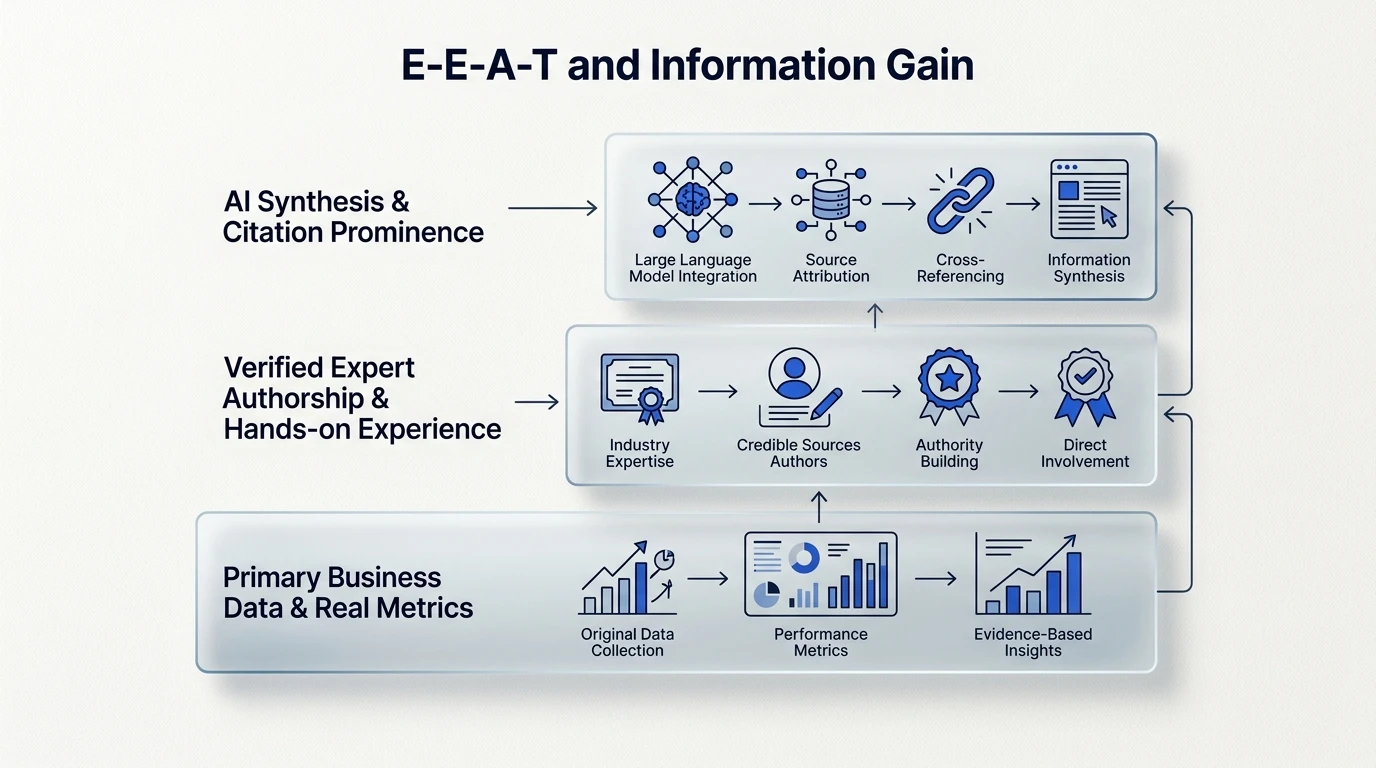
- Реальні автори: У кожної статті має бути автор-експерт з детальною біографією, посиланнями на його LinkedIn та публікаціями на інших авторитетних ресурсах. Сайт з автором “Адмін” приречений.
- Цифровий слід бренду: Google аналізує згадки вашої компанії поза вашим сайтом. Відгуки на Google Maps, профілі на Trustpilot, згадки в Forbes або профільних ЗМІ.
- Прозорість бізнесу: На сайті мають бути чітко вказані юридичні реквізити, політика конфіденційності, реальні адреси офісів та відео з керівництвом.
Ваш сайт відповідає стандартам E-E-A-T у 2026 році?
Більшість компаній втрачають позиції через “анонімний” контент та відсутність підтвердженої експертності в очах алгоритмів Google. Якщо ваш трафік стагнує, настав час для глибокого аналізу. Експерти Fullpage.agency проведуть E-E-A-T аудит вашого ресурсу та знайдуть точки росту для потрапляння в AI-видачу.
3. Розмовні запити (Conversational Queries) та Long-Tail
Поведінка користувачів змінилася. Завдяки звичці спілкуватися з ChatGPT, люди більше не гуглять “купити ноутбук київ”. Вони гуглять: “який ноутбук краще купити у 2026 для монтажу 4K відео в Premiere Pro до 2000 доларів”.
Це наддовгі запити (Long-Tail). Щоб оптимізувати сайт під них, ваш контент-маркетинг має будуватися навколо відповідей на дуже специфічні питання. Блок FAQ (Часті запитання) на кожній комерційній сторінці, розмічений мікророзміткою, стає обов’язковим інструментом генерації трафіку.
4. Технічне SEO: Структурування даних (Schema.org)
LLM-моделі (штучний інтелект) розумні, але вони люблять, коли дані розкладені по поличках. Якщо ваш сайт — це просто полотно тексту без правильної HTML-структури, ШІ важко витягнути з нього факти.
Використання мікророзмітки Schema.org (Product, Article, FAQPage, Organization, Review) — це спосіб прямої комунікації з нейромережею. Ви буквально кажете боту: “Ось тут у нас ціна, ось це характеристики, а це відгук реального покупця”. Що легше ШІ розпарсити ваші дані, то вищий шанс, що він використає їх у своєму AI Overview.
Zero-Click Search: Чи дійсно штучний інтелект вб’є органічний трафік?
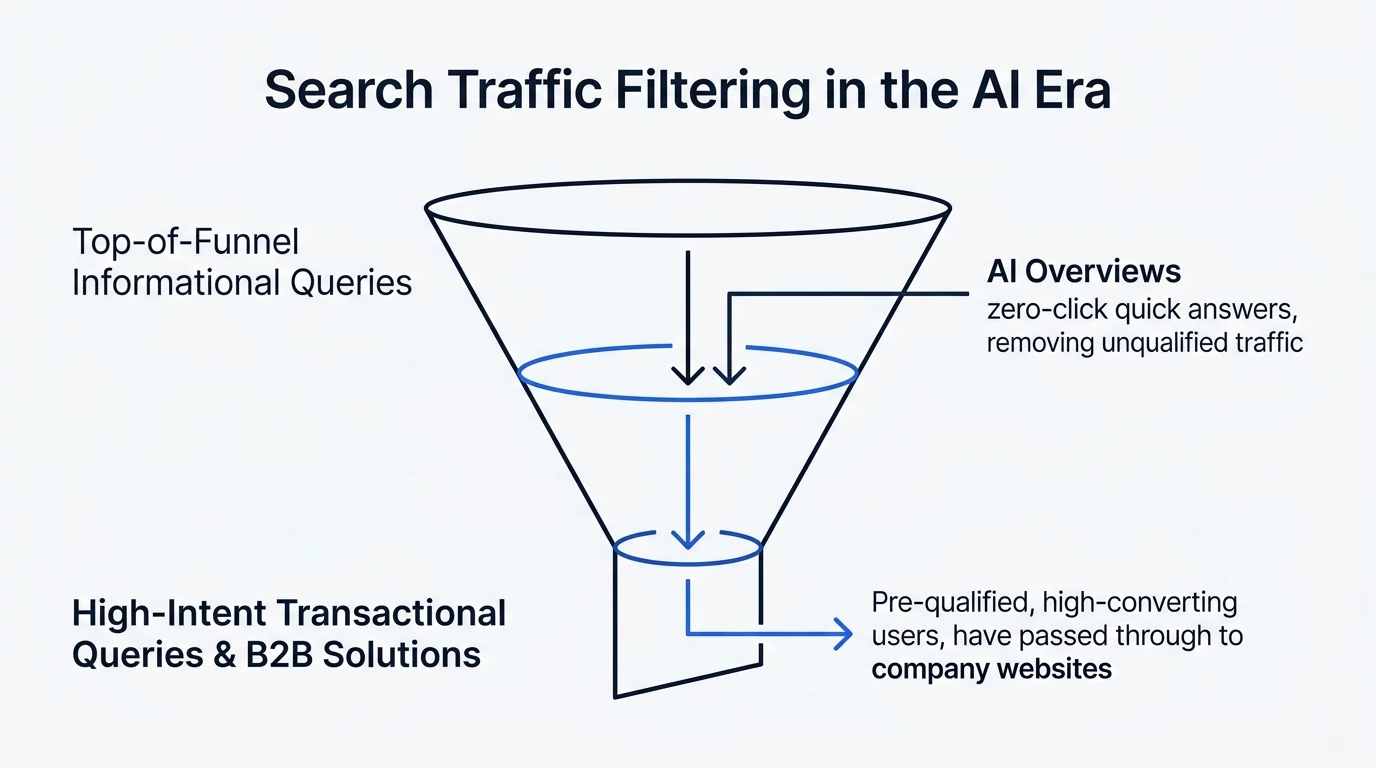
Коротка відповідь: Ні. Але він його відфільтрує.
Багато власників бізнесу панікують, вважаючи, що якщо ШІ відповідає на запит прямо в Google, то люди перестануть переходити на сайти. Але давайте проаналізуємо комерційну воронку.
AI Overviews ідеально закривають інформаційні запити верхнього рівня (Top of the Funnel). Наприклад, “що таке податок на прибуток”. Користувач читає відповідь і йде. Але такий користувач все одно не був готовий купувати ваші бухгалтерські послуги прямо зараз. Ви втратили “порожній” трафік.
Однак, коли справа доходить до комерційних запитів нижнього рівня воронки (Bottom of the Funnel) — “замовити бухгалтерський аудит для ТОВ у Києві ціна” — штучний інтелект не може здійснити транзакцію за користувача. ШІ не продає товари і не надає послуги. Він завжди буде пропонувати посилання на сайти компаній або інтернет-магазини.
Висновок для бізнесу: У 2026 році трафіку на сайті може стати кількісно менше, але його якість і конверсійність значно зростуть. Штучний інтелект бере на себе роль консультанта, відсіваючи нецільову аудиторію і відправляючи на ваш сайт вже “прогрітих” лідів, готових до покупки.
Чек-лист для CEO: Як підготувати свій бізнес до SEO майбутнього
Якщо ви хочете, щоб ваша компанія домінувала в цифровому просторі, перевірте свою поточну маркетингову стратегію за цими критеріями:
- Зупиніть масову генерацію ШІ-контенту. Якщо ваш підрядник генерує 100 статей на місяць через дешеві ШІ-скрипти без редактури експертом — ви знищуєте свій домен. Google легко визначає “порожній” ШІ-текст і знижує рейтинг усього ресурсу (алгоритм Helpful Content Update).
- Інвестуйте в Case Studies. Переведіть бюджет із написання “загальних” статей на створення глибоких кейсів. Описуйте реальні проблеми ваших клієнтів і те, як ви їх вирішили. Це ідеальний Information Gain.
- Очистіть технічний борг сайту. Сайт має завантажуватися миттєво. Мобільна версія повинна бути бездоганною (Mobile-First). Якщо сайт розроблено 5 років тому, дешевше замовити розробку сайту з нуля або глибокий редизайн, ніж намагатися просувати технічно застарілий продукт.
- Будуйте сутність бренду. PR-статті, гостьові публікації топ-менеджерів на галузевих порталах, участь у подкастах. Що більше унікальної інформації про вас у мережі, то сильніше ШІ асоціює ваш бренд з вашою нішею.
Чому експертність digital-агенції тепер важливіша за посилання
Епоха, коли можна було найняти фрілансера, щоб він закупив посилання на біржах і вивів сайт у ТОП, безповоротно минула. GEO (Generative Engine Optimization) вимагає синергії всієї команди:
- Аналітики та UX-фахівці вивчають інтент користувача та проєктують правильні посадкові сторінки, які закривають болі клієнта.
- Програмісти впроваджують складну мікророзмітку (Schema) та витискають 100/100 балів у Google PageSpeed.
- SEO-експерти працюють із семантикою Long-Tail та будують стратегію цифрового PR (Digital PR) для прокачування E-E-A-T.
- Контент-маркетологи витягують експертизу з ваших співробітників і запаковують її у формати, які любить цитувати штучний інтелект.
Звертаючись до Fullpage.agency, ви купуєте не просто “закупівлю лінків”. Ви отримуєте комплексну трансформацію вашого бізнесу під алгоритми майбутнього.
Потрібна консультація щодо SEO-оптимізації та аудиту?
Отримайте технічний аналіз вашого проєкту, орієнтовний кошторис та дорожню карту від команди Fullpage.
Поширені запитання (FAQ)
Чи помре SEO через штучний інтелект?
Ні, воно еволюціонує. Замість класичного SEO (Search Engine Optimization) прийшло GEO (Generative Engine Optimization). Поки існують комерційні потреби людей (купити, замовити, найняти), будуть потрібні алгоритми, які сортують бізнеси. Змінюються лише методи ранжування: від маніпуляцій ключовими словами до реальної експертності.
Як відстежити трафік, який приходить з AI Overviews?
Наразі Google Search Console не відокремлює трафік з карток-цитат ШІ в окрему категорію, він змішується із загальним органічним трафіком. Однак, використовуючи професійні інструменти аналітики та відстежуючи позиції за наддовгими (Long-Tail) запитами, ми можемо чітко корелювати зростання трафіку з потраплянням у генеративні відповіді.
Чи працюють зараз зворотні посилання (Backlinks)?
Так, але їхня роль змінилася. Масова закупівля "сміттєвих" посилань на форумах більше не дає ефекту і може призвести до бану. Сьогодні працює лише Digital PR: отримання посилань з великих, трастових ЗМІ або вузькопрофільних порталів. Одне посилання з Forbes або профільного ресурсу важить більше, ніж 1000 посилань із дешевих каталогів.
Що робити інтернет-магазинам у нових реаліях?
Інтернет-магазинам (E-commerce) необхідно сфокусуватися на атрибутах товарів (Merchant Center) та глибоких відгуках покупців. AI Overviews часто генерує порівняльні таблиці товарів ("топ 5 кросівок для бігу"). Щоб туди потрапити, ваші картки товарів повинні мати відеоогляди, унікальні описи, детальну розмітку характеристик (Schema Product) та справжні відгуки.