We analyze how a landing page works, what elements build trust, and how to create a selling page.

Are you running targeted or contextual ads, spending your budget, getting clicks, but receiving critically few leads? The most common mistake businesses make in 2026 is directing paid traffic to a complex, multi-page corporate website. Visitors get lost in the menu, read about the “company mission,” and head to competitors. The solution to this problem is a landing page.
What is a landing page, and why do traditional websites fall short in lead generation?
A landing page is a web page designed with a single goal: to convert a visitor into a lead or a buyer. It doesn’t cover everything under the sun but focuses on a single product, service, or event.
(If you’re not yet familiar with the basic terminology, we recommend first reading our fundamental guide on what a landing page is, its types, and its structure).
Conversion Math: Corporate Website vs. Landing Page
Imagine you sell solar panel installation services. A user searches Google for “turnkey solar station installation.”
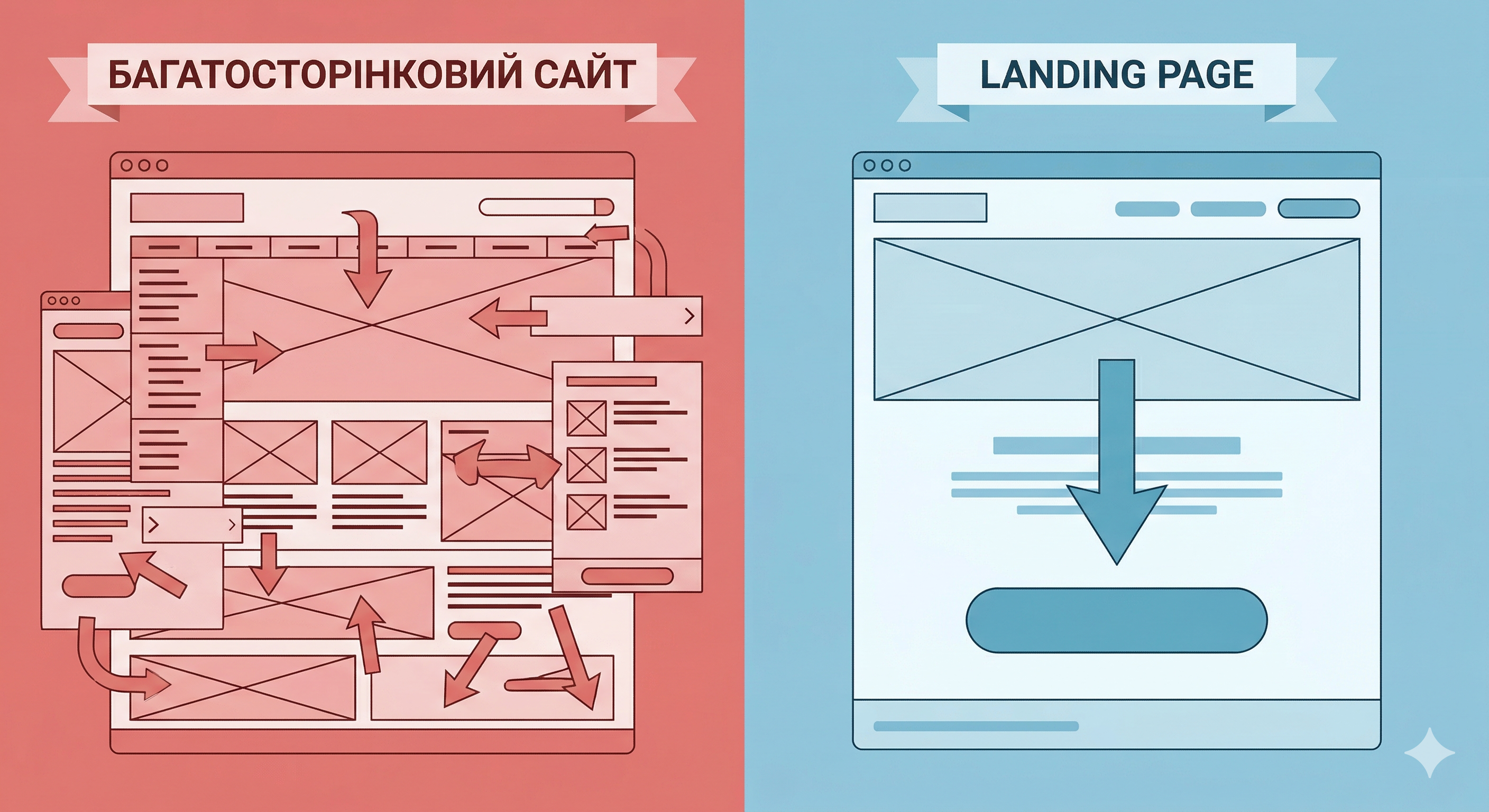
- Scenario 1 (Regular Website): The visitor lands on the homepage. They see company news, job openings, the company’s history, and dozens of links. Their attention is scattered. Average conversion rate: 1–2%.
- Scenario 2 (Landing Page): The visitor sees a clear offer: “Solar station installation in 3 days with a 10-year warranty.” A payback calculator, reviews, and a contact form. There’s nowhere to click except to leave their contact information. Average conversion rate: 5–15%.
The difference in profit with the same advertising budget can reach hundreds of thousands of hryvnias.
For which niches is a Landing Page the #1 tool?
Landing pages are not a one-size-fits-all solution. For e-commerce with thousands of SKUs, a full-fledged online store is needed. But for the following niches, the one-page format generates the highest ROMI (return on marketing investment):
- Services (B2B and B2C): legal support, cleaning, apartment renovations, outsourced accounting, digital marketing.
- Sale of complex/premium products: real estate (sale of apartments in a specific residential complex), heavy equipment, car dealerships (goal—scheduling a test drive).
- Information business and event industry: webinar registration, online course sales, conference tickets.
- MVP (Minimum Viable Product) testing: verifying demand for a new service before investing in full-scale production or development.
The anatomy of a high-converting landing page: the structure of the ideal page
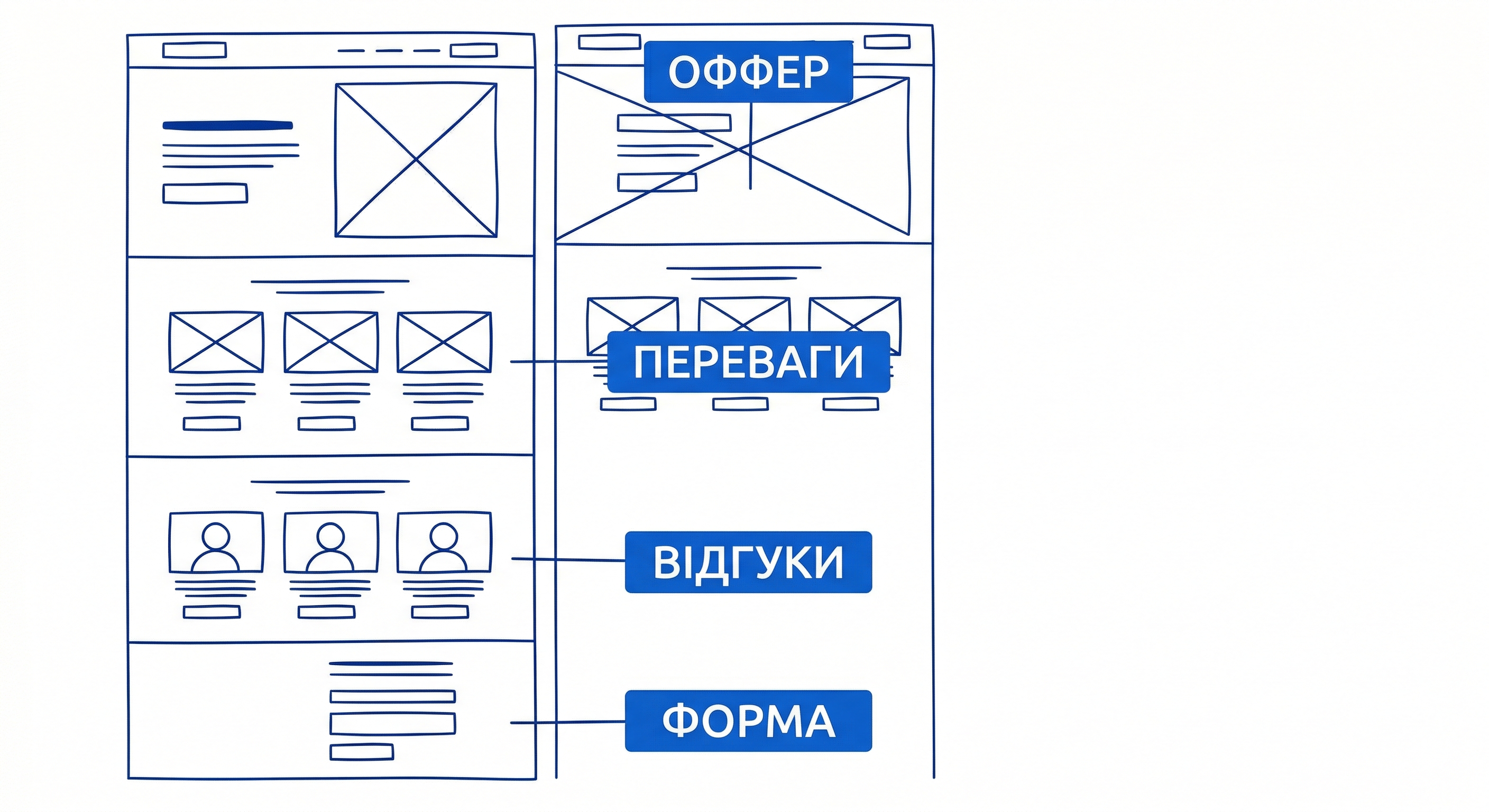
A commercially successful landing page is built not on creative design for design’s sake, but on a deep understanding of decision-making psychology (UX). Here are the sections that must be on your page.
1. The First Screen (Offer + CTA)
You have 3 seconds to keep the user on the page. The first screen must instantly answer three questions: Where am I? What are you offering me? What should I do next?
Bad practice: “Market leader in logistics services. Personalized approach.”
Good practice: “Shipping from China to Ukraine in 14 days with 100% value insurance. Calculate your shipping cost in 1 minute.”
2. Objection Handling Section (Pain Points and Solutions)
Don’t write about how great you are. Write about how you solve the customer’s problems. Use the PAS formula (Problem – Agitation – Solution). Show that you understand their pain points: missed deadlines, hidden fees, low-quality materials—and offer your guarantees.
3. Social Proof (Trust Signals)
People don’t trust marketers; people trust other people. To break down the barrier of distrust, include:
- Video testimonials from real customers (text-only reviews without photos don’t work well these days).
- Case studies with numbers (before / after / how it was achieved).
- Partner or client logos (especially critical for the B2B segment).
- Official certificates, licenses, and awards.
4. Lead Forms
The fewer fields, the higher the conversion rate. The ideal form contains 2 fields: Name and Phone Number/Telegram. The sales manager will find out everything else during the qualification call.
Mistakes That Kill Your Landing Page Conversion

Even the best product won’t sell if the page has critical flaws. Check your site for these issues:
| Mistake | Impact on business | How to fix |
|---|---|---|
| Slow loading (over 3 seconds) | Loss of up to 53% of mobile traffic before the first screen loads. | Image optimization (WebP), clean code, reliable hosting. |
| Multiple different call-to-actions | The user doesn’t know what to do: call, message, download, or buy. | Keep one main Call to Action (CTA) for the entire page. |
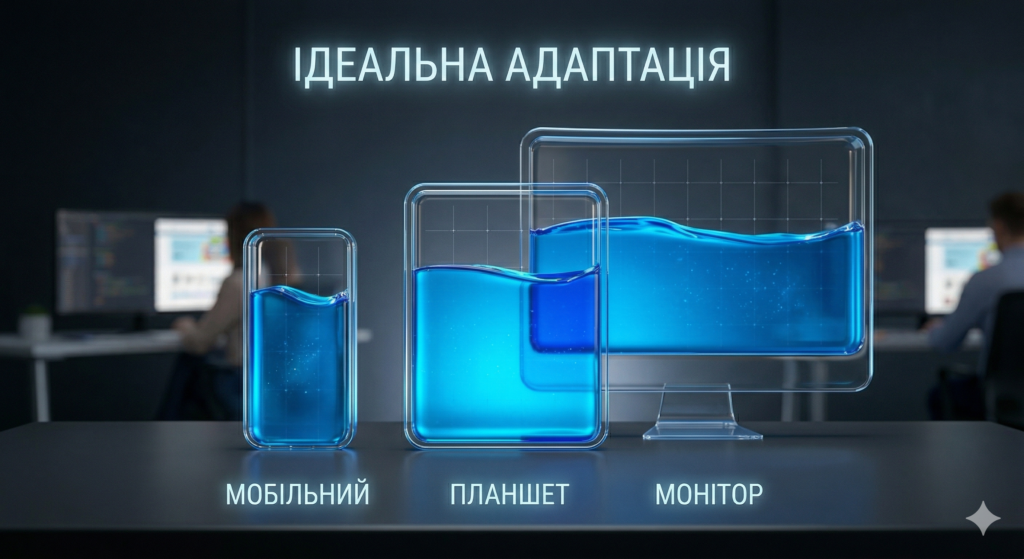
| No responsive version | By 2026, over 70% of traffic will come from smartphones. A broken mobile UX equals zero sales. | Mobile-First development. User-friendly buttons, readable font. |
SEO and Analytics: How to Make a Landing Page Visible
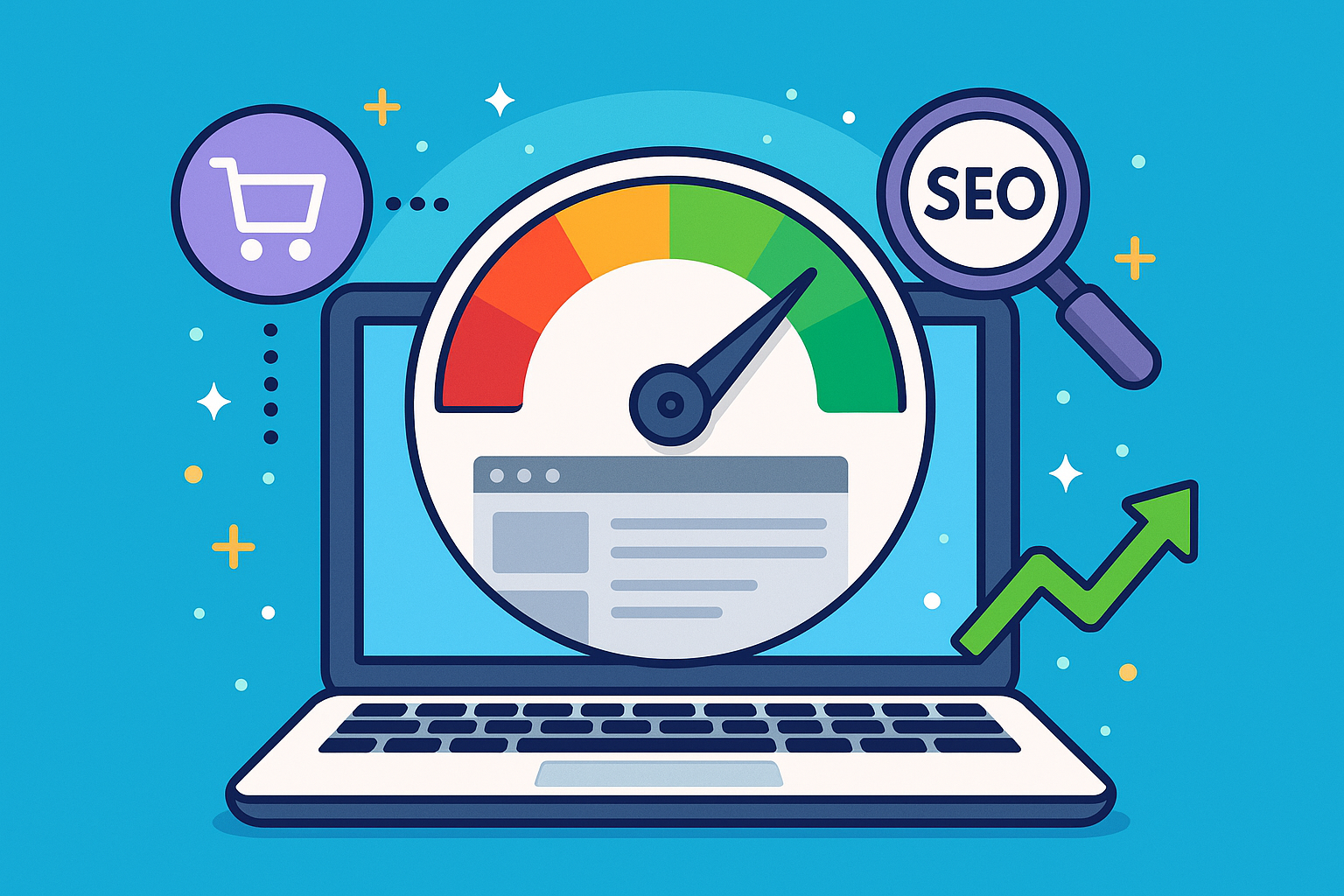
There is a myth that landing pages cannot be optimized for SEO. This is not true. If a page is properly structured (H1-H3), has fast loading speeds (Core Web Vitals), and includes LSI keywords, it can attract organic traffic for low-volume and commercial search queries.
Additionally, a landing page must be integrated into an analytics ecosystem:
- Google Analytics 4 + Tag Manager: to track every button click and form submission.
- Meta Pixel / Google Ads Tag: to create retargeting audiences (to “catch up” with those who left without making a purchase through ads).
- CRM system: leads should go directly into the sales funnel to managers (KeyCRM, Pipedrive, etc.), not to email.
Ready to turn clicks into real sales?
Don’t waste your ad budget on pages that don’t work. Delegate landing page creation to the FullPage.agency team.
We don’t just “design websites.” We design sales funnels. Submit a request today, and our analysts will analyze your current website for free or prepare a structure for a new landing page tailored to your niche within 48 hours.